Remarketing services are designed for businesses that want
to extract more value from their existing website traffic and ad spend.
Most users do not convert on their first visit — remarketing focuses on
reconnecting with those users through targeted ads based on behaviour,
intent, and funnel stage.
As part of a broader
digital marketing strategy,
remarketing improves conversion efficiency while reducing acquisition costs.
An effective remarketing strategy begins with understanding user behaviour.
Visitors are segmented based on actions such as page views,
time spent, form interactions, cart abandonment, or previous engagement.
Instead of treating all users the same, remarketing campaigns are built
around intent levels — ensuring messaging is relevant,
timely, and conversion-focused.
Campaign structure plays a critical role in remarketing success.
Remarketing funnels are organised into logical stages such as
initial engagement,
consideration,
and conversion recovery.
Each stage delivers tailored messaging designed to move users closer
to action while maintaining frequency control and cost efficiency.
Creative and messaging strategy are central to high-performing remarketing.
Ads are personalised based on the user’s previous interaction —
product views, service interest, pricing pages, or abandoned actions.
Messaging focuses on reassurance, value reinforcement, social proof,
and clear calls to action, helping users complete decisions
they already started.
Conversion tracking and audience accuracy form the foundation
of effective remarketing.
Proper implementation of tracking pixels, events, and audience rules
ensures users are re-targeted based on real behaviour,
not assumptions.
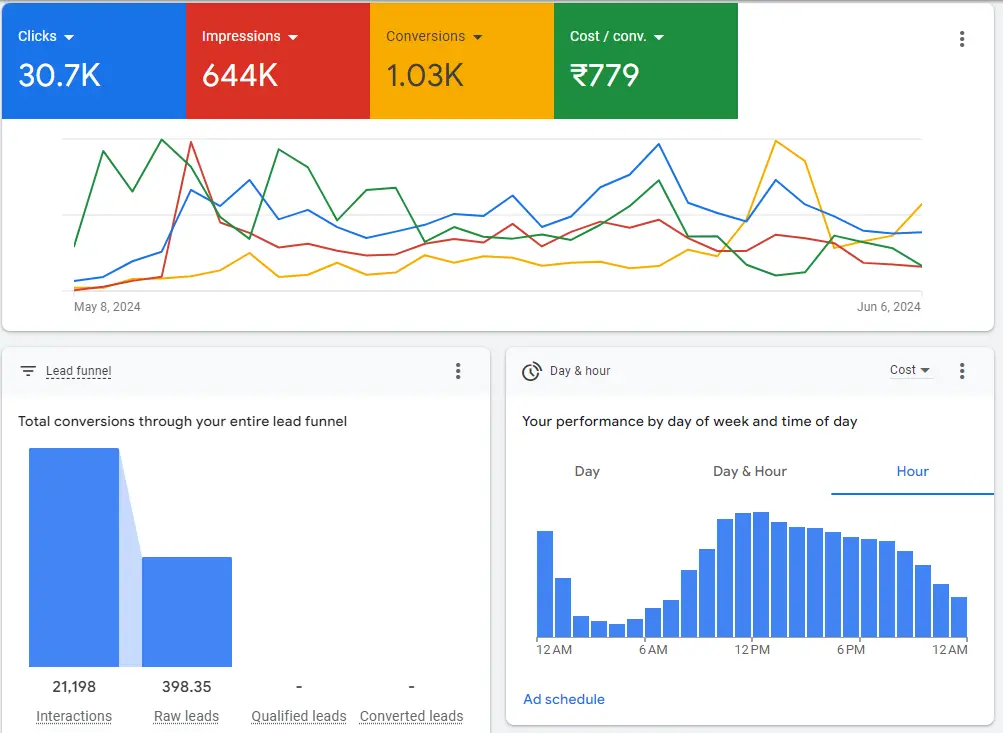
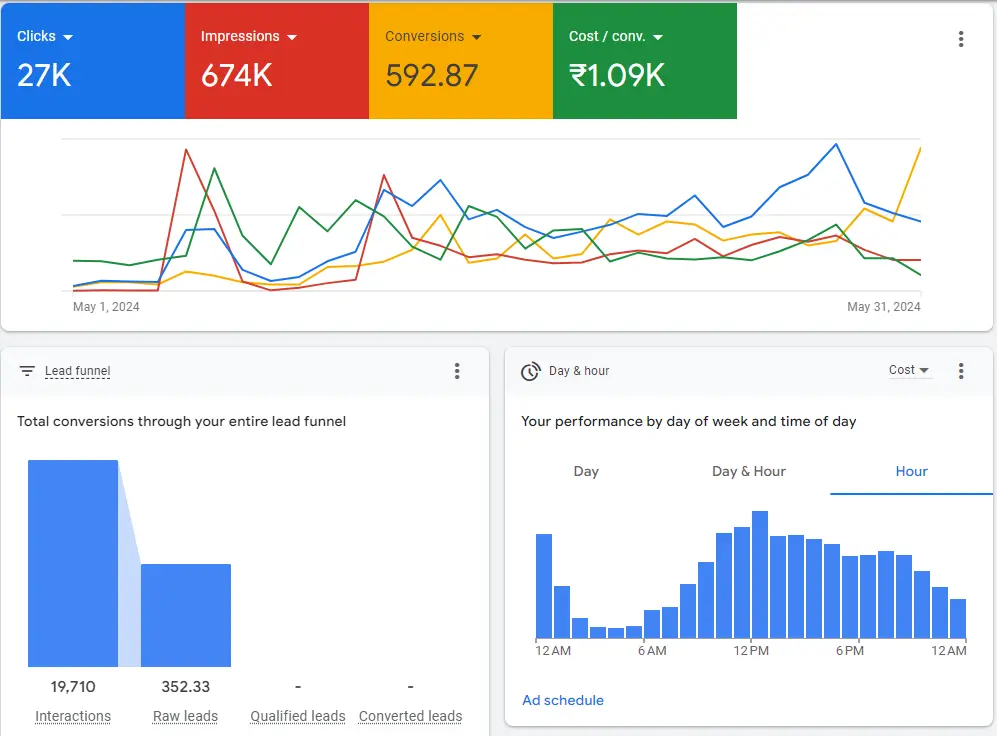
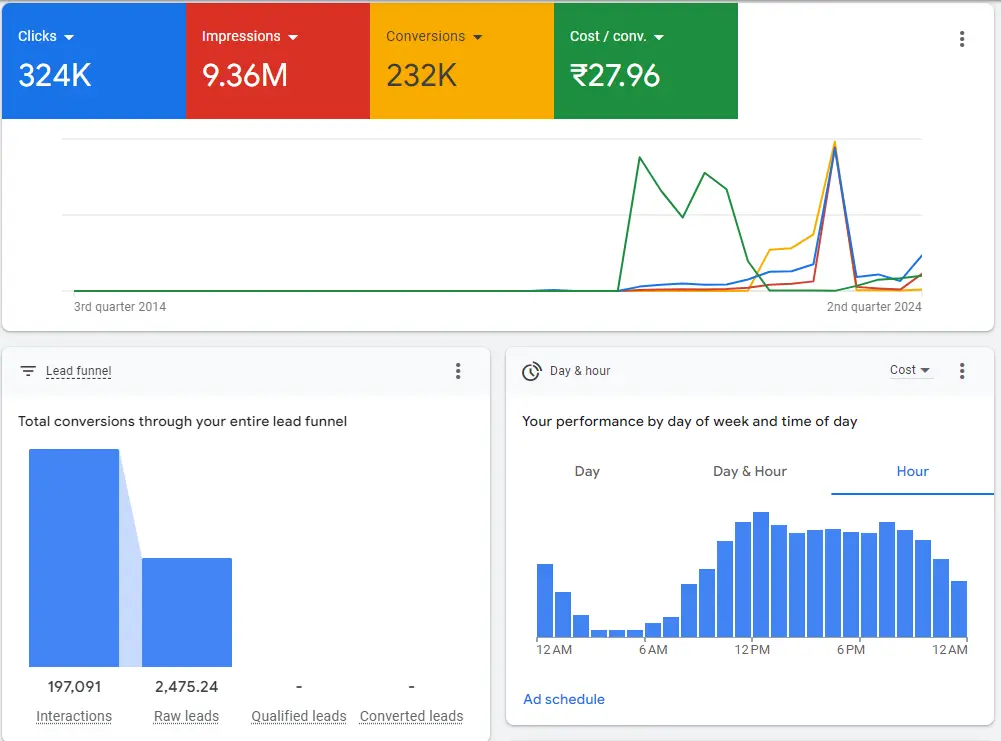
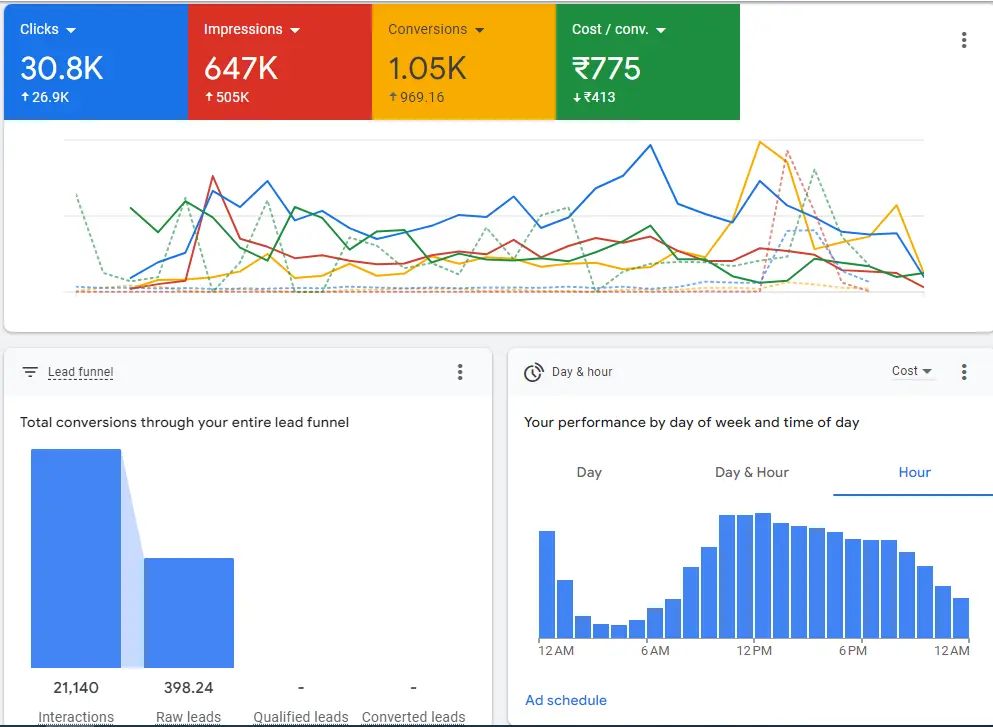
This enables optimisation based on
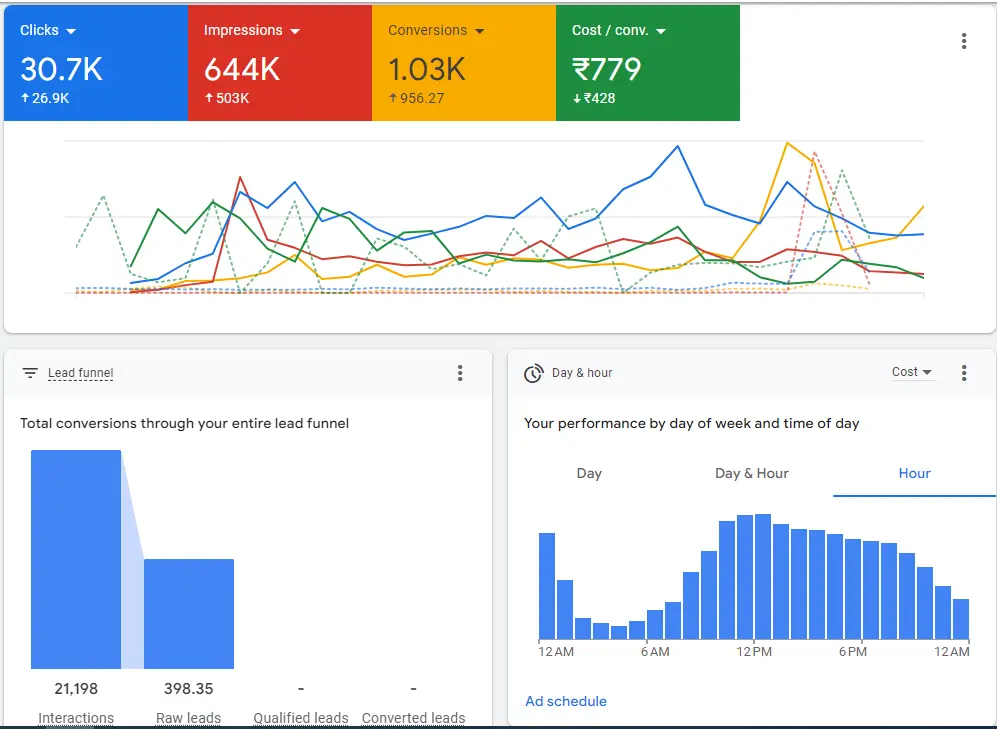
cost per conversion,
return on ad spend,
and conversion recovery rate,
rather than impressions or clicks alone.
Remarketing strategies are often executed across multiple platforms,
including
Google Ads Remarketing,
Facebook & Instagram Retargeting,
and
LinkedIn Remarketing.
This multi-channel approach ensures consistent brand presence
while guiding users back through the funnel at the right moment.
Continuous optimisation is essential in remarketing.
Audience performance, ad frequency, creative fatigue,
and conversion behaviour are monitored closely.
Underperforming segments are refined or excluded,
while high-intent audiences receive increased focus.
This disciplined approach ensures remarketing scales profitably
without overspending.
A structured remarketing strategy works best when aligned with
performance marketing frameworks,
ensuring every returning visitor contributes directly
to measurable business outcomes.
This integration allows businesses to grow revenue
by converting existing demand more efficiently.
The methodology behind these remarketing strategies
is built on data, intent analysis, and transparent execution.
Learn more about the working approach on the
professional profile,
where remarketing is used as a core lever
for sustainable conversion growth.
Businesses investing in professional remarketing services
benefit from higher conversion rates,
lower acquisition costs, and improved ROI.
If you want to recover lost leads,
increase sales from existing traffic,
or improve funnel efficiency,
contact for a remarketing consultation
to discuss a structured and results-driven retargeting strategy.